



Global Markets - Market Trends
 Germany will have more SVOD subscriptions than the UK by the end of this year, with the gap between the two countries growing from then on.
The global satellite communication market is projected to reach US$159.60 billion by 2030, growing at a CAGR of 9.7% from 2023 to 2030 according to new research from Research and Markets.. A surge in the demand for satellite broadband services, particularly in remote and underserved areas is a significant factor contributing to the growth of the market.
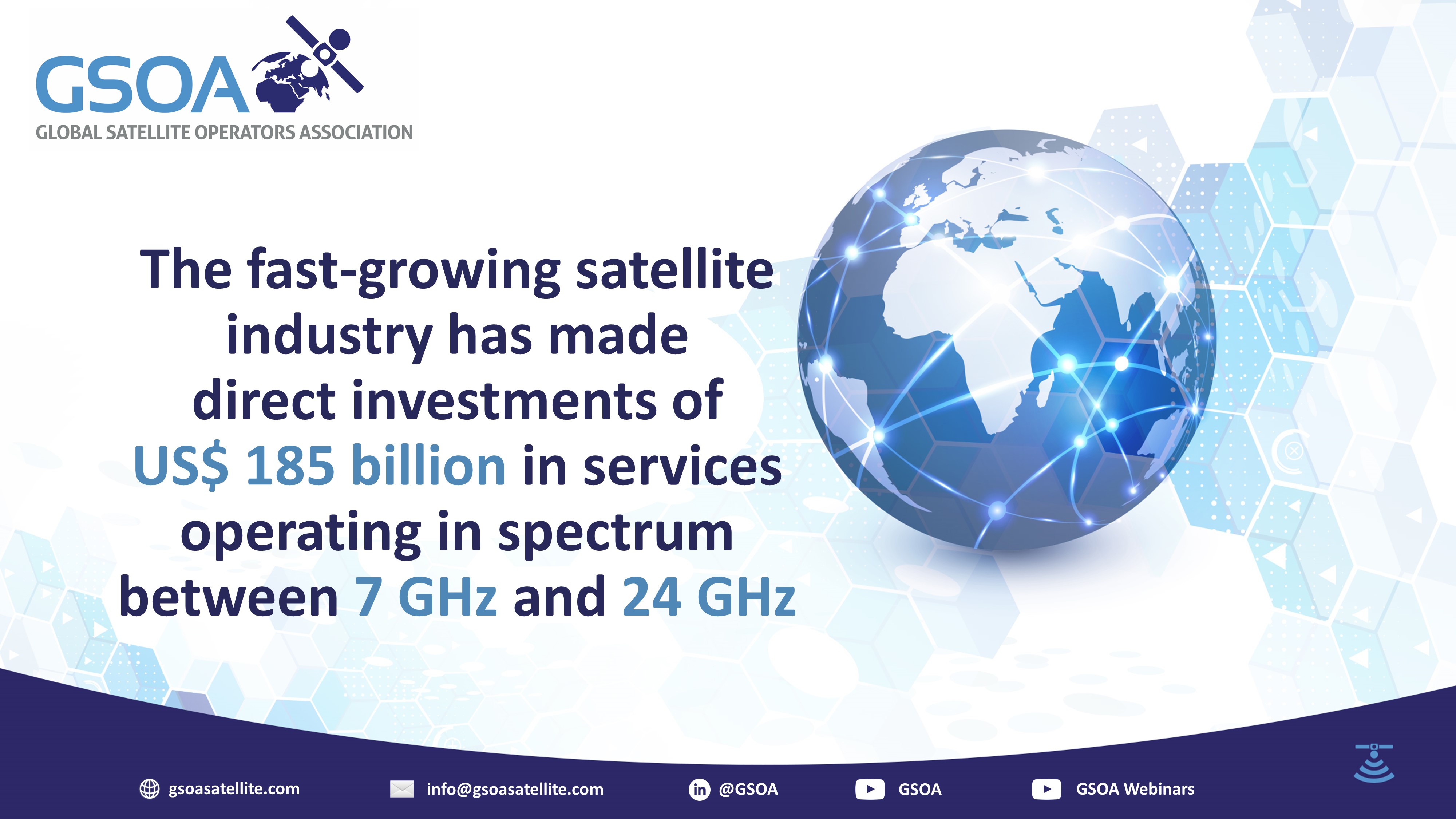
Investments in satellite services operating in the 7 GHz to 24 GHz frequency range have generated economic benefits of more than US$ 555 billion, according to a new report by Plum for GSOA. The consulting firm found that ongoing access to these spectrum bands, which are the subject of several agenda items at the forthcoming World Radiocommunication Conference (WRC-23)[1], is of critical importance to the satellite industry and its customers.
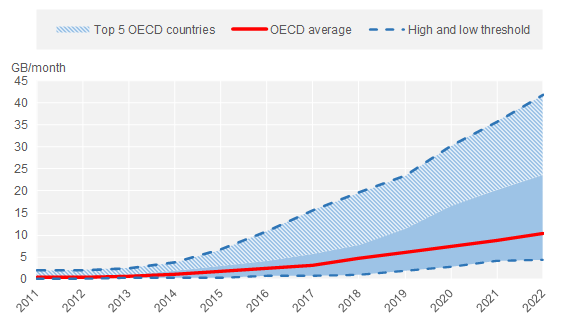
Mobile data usage continues to grow, but at a slower pace, according to new OECD broadband portal data released on 13 July. Data usage per mobile broadband subscription in OECD countries grew 17% in 2022, compared to an average annual growth rate of 29% between 2017 and 2021. Nonetheless, the volume of mobile data usage overall per subscription has doubled in four years, from 4.7 gigabytes per month to 10.4 GB in 2022.
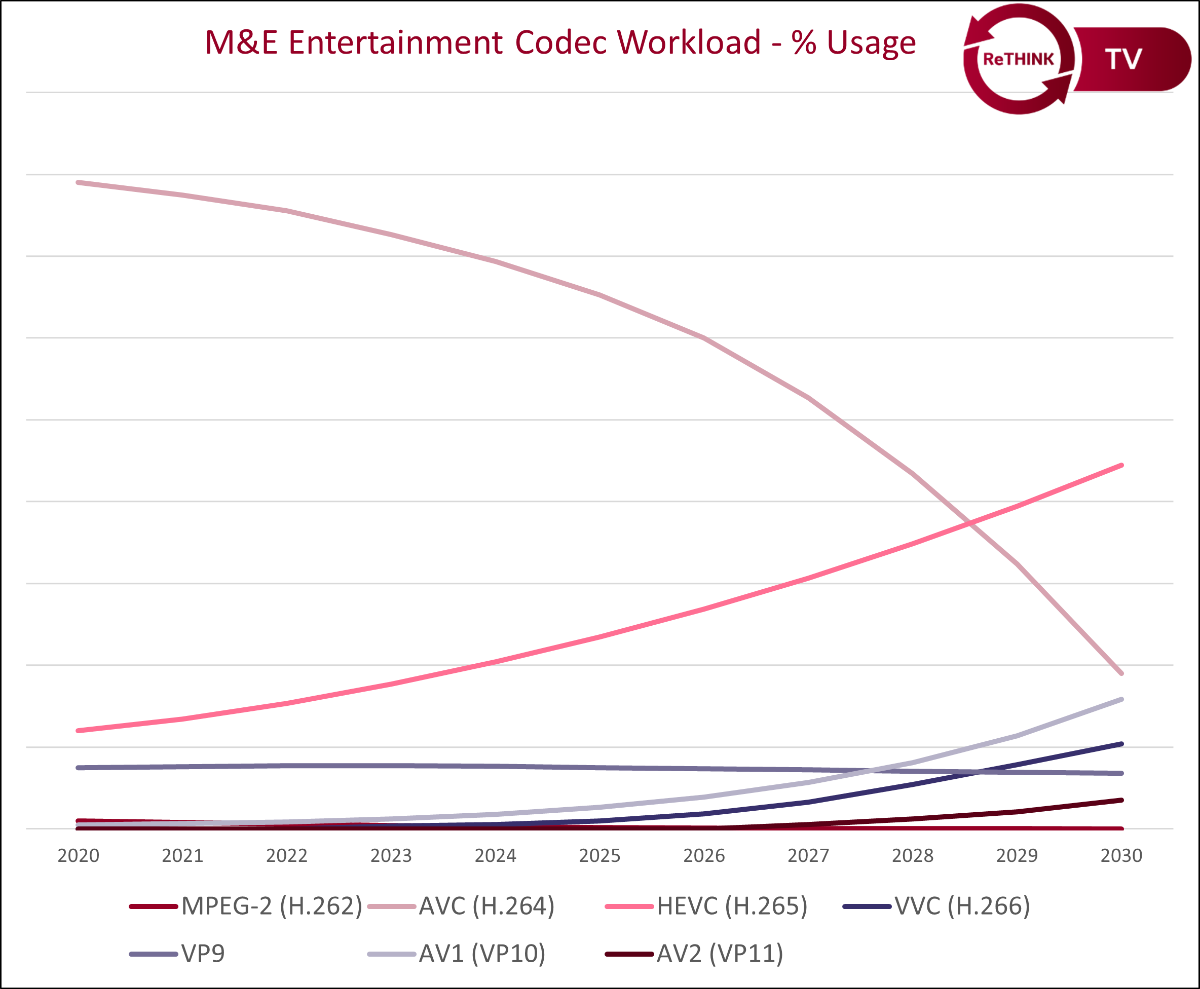
This latest forecast from Rethink TV is examining the adoption timeline for codecs in the media and entertainment landscape, focusing on the arrival of VVC, AV1, and eventually AV2. As well as the expected timeline, it charts the expected royalty revenues generated by the patent pools that have formed around these video compression tools, which we expect to reach $2.4 billion in 2030.
The Asia Video Industry Association (AVIA) has released the second phase of its research into differences between advertising in premium OTT and mass streaming video environments (UGC / video sharing services). While phase 1, completed in 2022, looked at consumer usage and attitudes towards advertising in both environments, phase 2 gauged consumer attention and recall to ads in both a premium and mass environment. Research was conducted between January to April 2023, and conducted by Milieu Insight.
 The Asia-Pacific (APAC) satellite market is the largest market for satellite services in the world. Extending from the Middle East at the Eurasia border to the vast Pacific ocean, it is not a homogenous market but also the most fragmented market of all the regions in the world. Leading research companies estimate that the APAC market can comprise up to 60 percent of the world's market for satellite services.
 The Asia-Pacific (APAC) satellite market is the largest market for satellite services in the world. Extending from the Middle East at the Eurasia border to the vast Pacific ocean, it is not a homogenous market but also the most fragmented market of all the regions in the world. Leading research companies estimate that the APAC market can comprise up to 60 percent of the world's market for satellite services.
 WTA has released its newest research report, Meeting the Challenge of Multilayer Connectivity. The report is free for WTA Members and available for purchase by others. Click here to get the report.
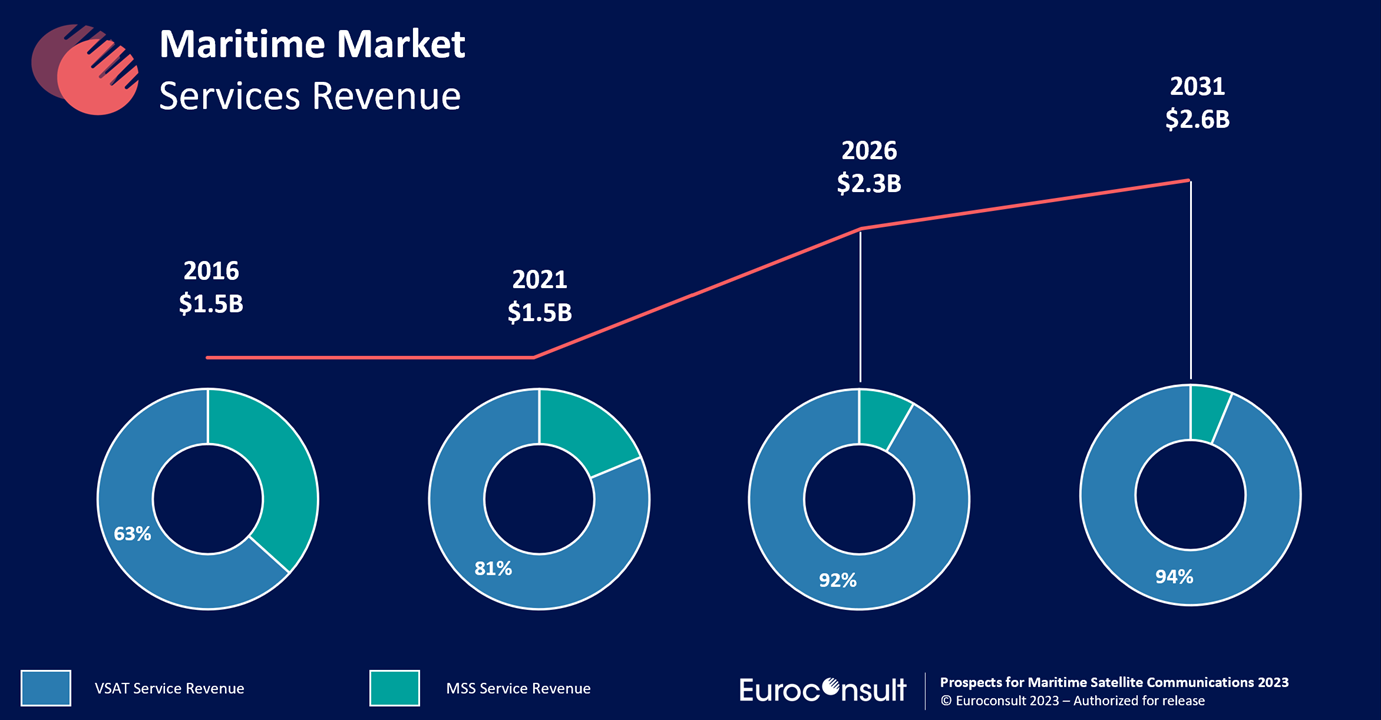
With the most serious restrictions of COVID-19 now generally in the rearview mirror, leading market intelligence firm Euroconsult estimates that maritime connectivity sectors have mostly recovered from the pandemic’s influence on supply chains and vessel activity at the end of 2022. According to Euroconsult’s forecasts, maritime satellite communication operators are expected to surpass $1.1 billion in revenues by 2032 at a 7% CAGR over the decade. Though some service providers will see a fall in their average revenue per unit (ARPU), total service revenues are expected to grow at a similar CAGR, falling slightly short of $3 billion by 2032.